




LATEST
The Slow Season
Time can be such an unfaithful friend, too often rushing by like the white quickness of a turbulent river. Thankfully, though, there are things in life which are suited to slowing down. Winter is one, for me anyway.
READ MORE➦

Limoncello - Paint Swatch Contest Winner
Emma Kivisild is a writer and artist living in Prince Rupert BC. She published three books with Press Gang Publishers, emceed the Vancouver Folk Music Festival for seven years, and is now active with Complete Streets Prince Rupert. She lives with the painter Suzo Hickey.
READ MORE➦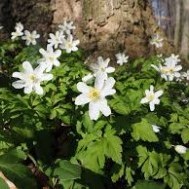
Wood Anemone - Paint Swatch Contest Second Place
Jenn Marx is based in Stewart, BC. Her entry to our writing contest snagged her a well-deserved second place.
READ MORE➦
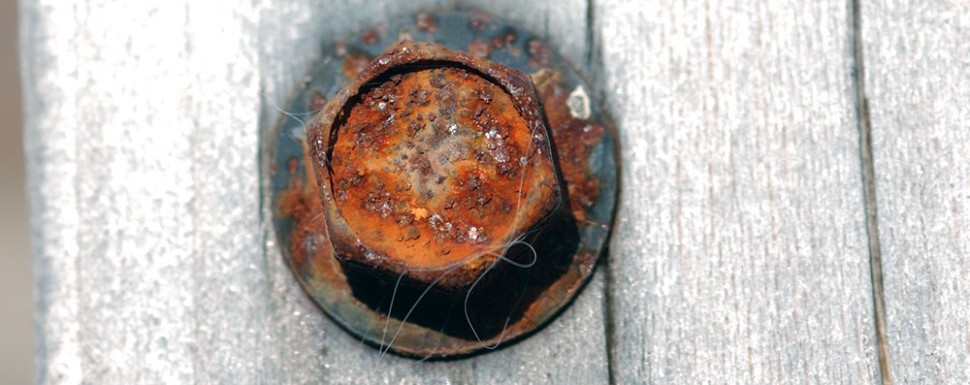
West Coast Fury - Paint Swatch Contest Honourable Mention
Hailing from Terrace, Baxter Huston submitted this poem, incorporating three esoteric-named paint swatches.
READ MORE➦ Not Pecan - Paint Swatch Contest Honourable Mention
Prince Rupert-based Caroline Dudley submitted this entry to our Paint Swatch Writing Contest.
READ MORE➦
Slow
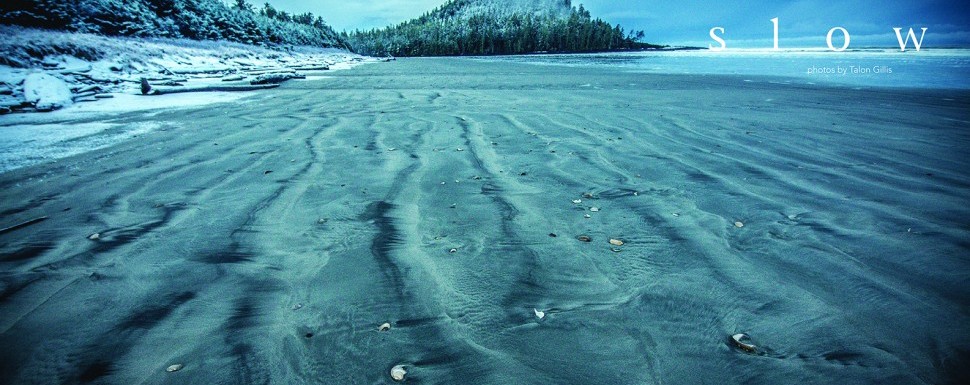
The photographic eye of Talon Gillis is always on point. As an adventurer, Gillis gravitates toward self-propelled travel and his take on “slow” reflects this tendency as well as his love and passion for the landscapes of northern BC. We pair the final photo in this segment with a poem from Paul Glover, Watching Paint Dry.
READ MORE➦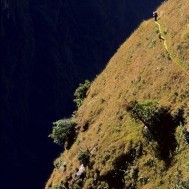
Carrying Cultures
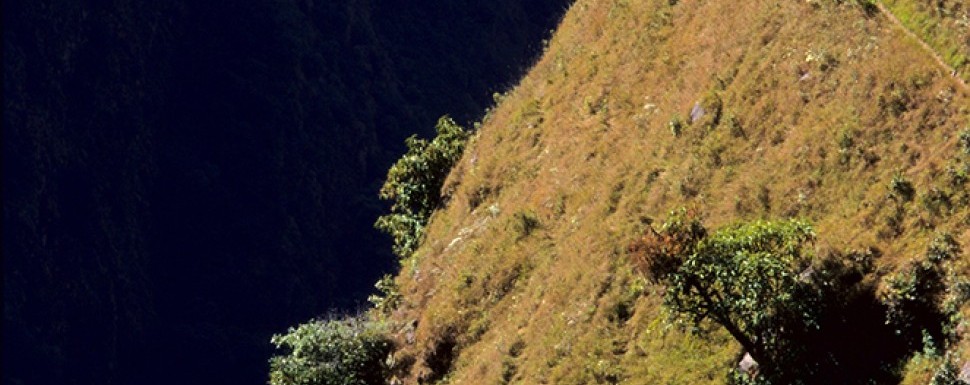
When we are forced to carry a heavy load at foot pace, we view the world differently. Dave Quinn makes a compelling case for the carrying cultures of the world, and for us here in the North to take advantage of our remaining road-free landscapes.
READ MORE➦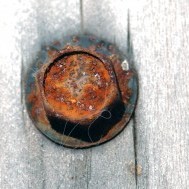
A Simple Boat Repair
Sometimes the “quick fix” takes a whole lot longer than we’d hoped it would. Patrick Williston spills blood, tears, and laughter as he works on his family’s sailboat.
READ MORE➦
Slow Burn
What happens when you process chilis for a deer sausage recipe with just one glove? Haida Gwaii-based Allison Smith has the story...and the heat-haunted memories that go with it.
READ MORE➦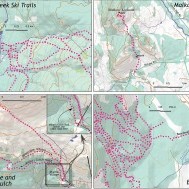
To Break, or Not to Break…Trail
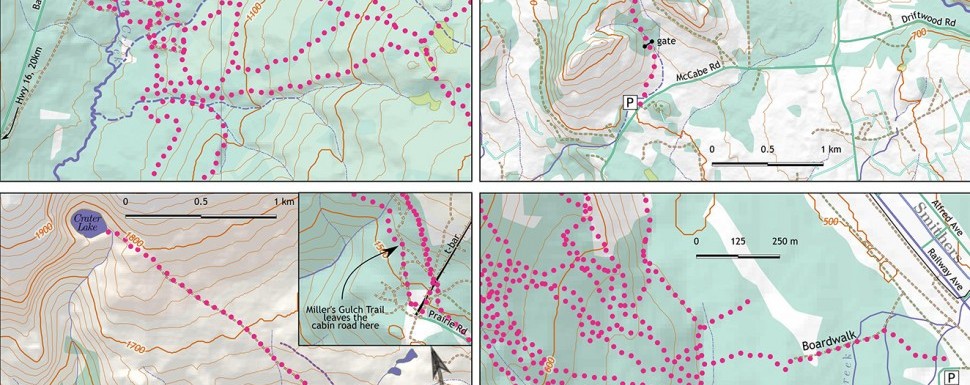
As snow falls and the holiday season approaches, do our hearts not turn to thoughts of snowshoeing? Whether you are a neophyte or a seasoned guru, opportunities abound around Smithers.
READ MORE➦Winter 2018-19: Slow
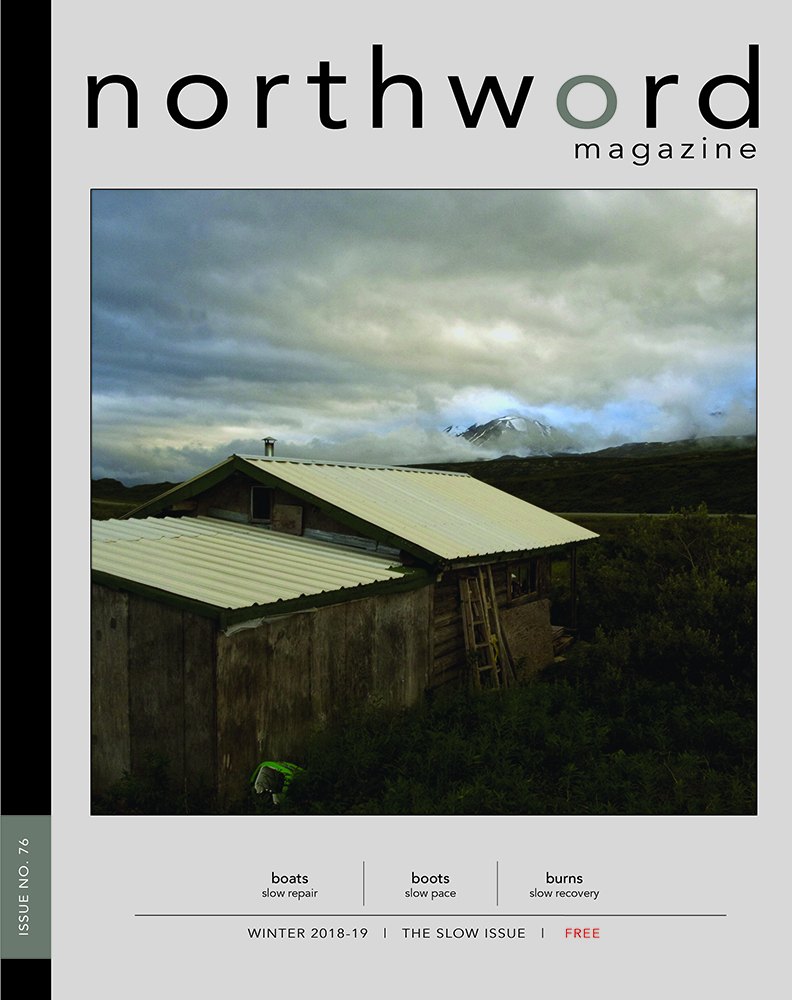
Slow repairs, slow pace, slow recovery, and much more.
The Slow Season
Time can be such an unfaithful friend, too often rushing by like the white quickness of a turbulent river. Thankfully, though, there are things in life which are suited to slowing down. Winter is one, for me anyway.
Limoncello - Paint Swatch Contest Winner
Emma Kivisild is a writer and artist living in Prince Rupert BC. She published three books with Press Gang Publishers, emceed the Vancouver Folk Music Festival for seven years, and is now active with Complete Streets Prince Rupert. She lives with the painter Suzo Hickey.
Wood Anemone - Paint Swatch Contest Second Place
Jenn Marx is based in Stewart, BC. Her entry to our writing contest snagged her a well-deserved second place.
West Coast Fury - Paint Swatch Contest Honourable Mention
Hailing from Terrace, Baxter Huston submitted this poem, incorporating three esoteric-named paint swatches.
Not Pecan - Paint Swatch Contest Honourable Mention
Prince Rupert-based Caroline Dudley submitted this entry to our Paint Swatch Writing Contest.
Postcards
Fort St. James writer Ruth Lloyd says the art of composing a message for a postcard is like writing a tweet—but so much better.
Slow
The photographic eye of Talon Gillis is always on point. As an adventurer, Gillis gravitates toward self-propelled travel and his take on “slow” reflects this tendency as well as his love and passion for the landscapes of northern BC. We pair the final photo in this segment with a poem from Paul Glover, Watching Paint Dry.
Carrying Cultures
When we are forced to carry a heavy load at foot pace, we view the world differently. Dave Quinn makes a compelling case for the carrying cultures of the world, and for us here in the North to take advantage of our remaining road-free landscapes.
A Simple Boat Repair
Sometimes the “quick fix” takes a whole lot longer than we’d hoped it would. Patrick Williston spills blood, tears, and laughter as he works on his family’s sailboat.
Slow Burn
What happens when you process chilis for a deer sausage recipe with just one glove? Haida Gwaii-based Allison Smith has the story...and the heat-haunted memories that go with it.
To Break, or Not to Break…Trail
As snow falls and the holiday season approaches, do our hearts not turn to thoughts of snowshoeing? Whether you are a neophyte or a seasoned guru, opportunities abound around Smithers.